In the tapestry of American urban life, few establishments weave together community, comfort, and connection quite like the neighborhood pizzeria. These beloved establishments have evolved far beyond simple restaurants serving Italian-American cuisine—they've become essential social spaces where relationships are forged, celebrations are held, and everyday moments are transformed into memories.
The Essence of Casual Dining Culture
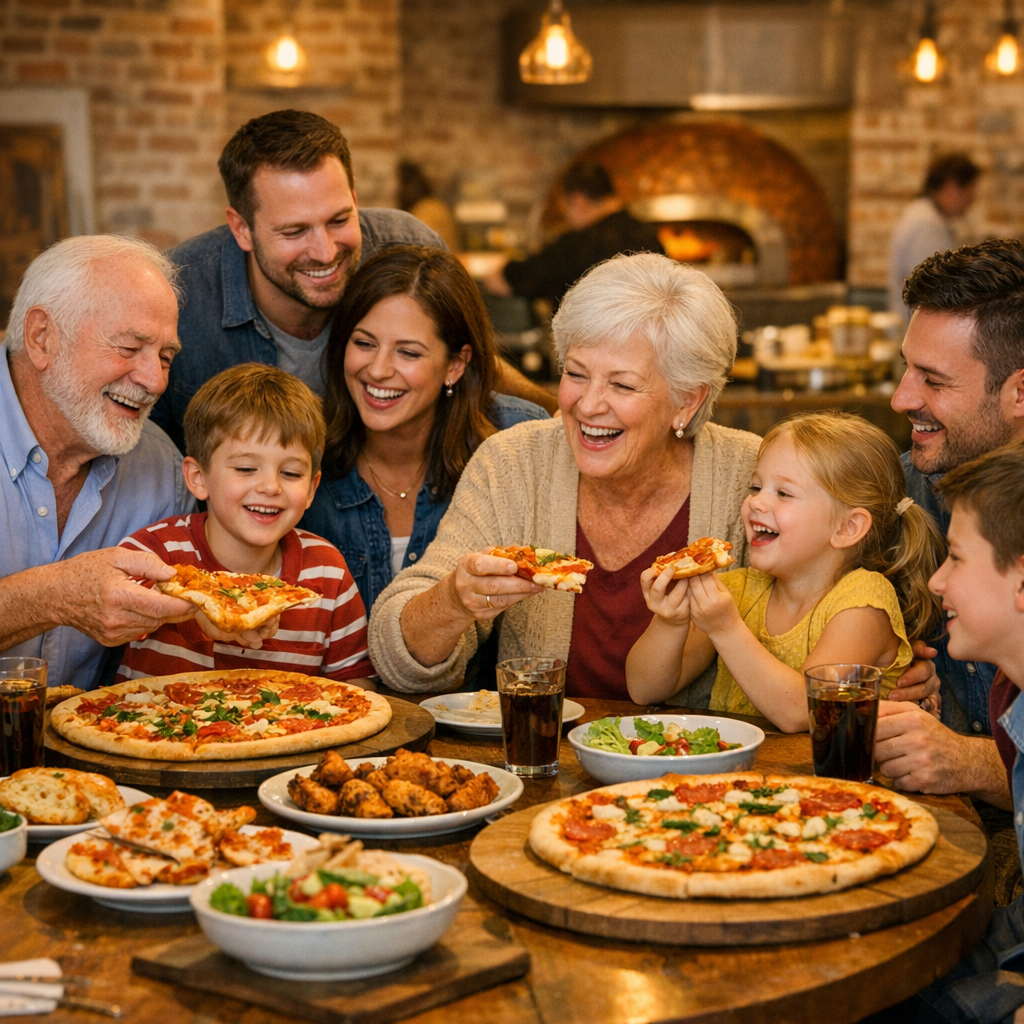
Casual dining culture represents more than just a lack of formal dress codes or reservation requirements—it embodies a philosophy of accessibility and comfort that makes everyone feel welcome. Pizzerias have mastered this art by creating environments where patrons can relax, be themselves, and focus on what truly matters: the company they keep and the food they share.
The beauty of casual dining lies in its versatility. Whether you're celebrating a milestone birthday, catching up with old friends after years apart, or simply grabbing a quick lunch between meetings, the pizzeria accommodates every occasion with equal grace. This adaptability has made pizzerias the go-to destination for Americans seeking a dining experience that balances quality with approachability.
The Power of Group Meals
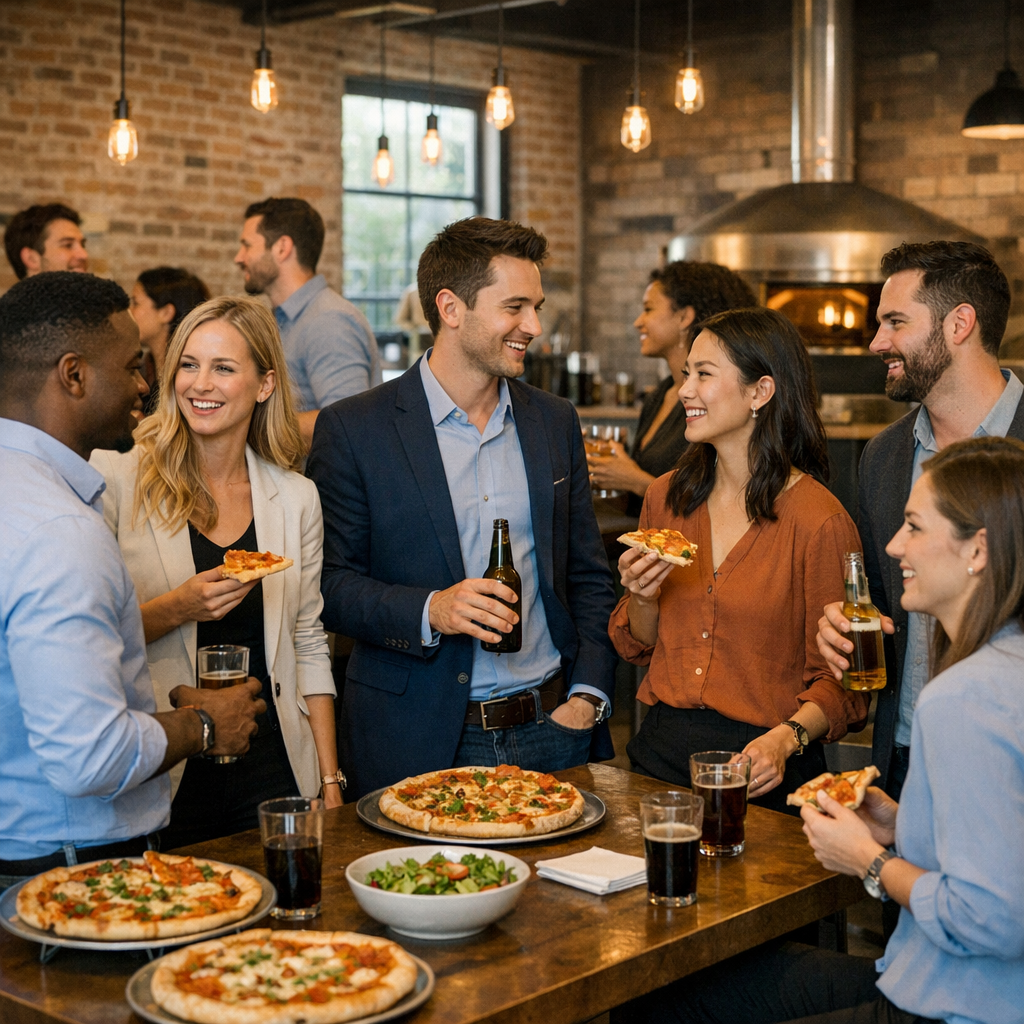
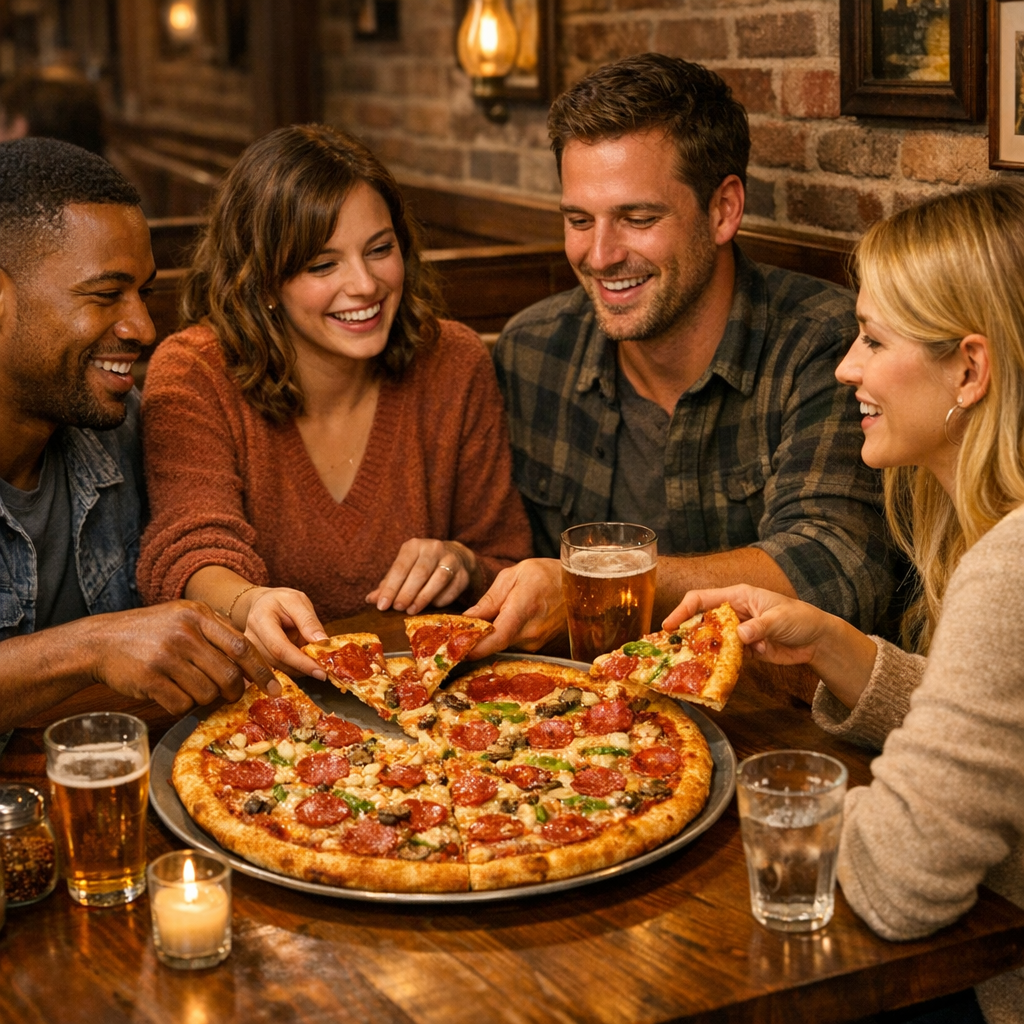
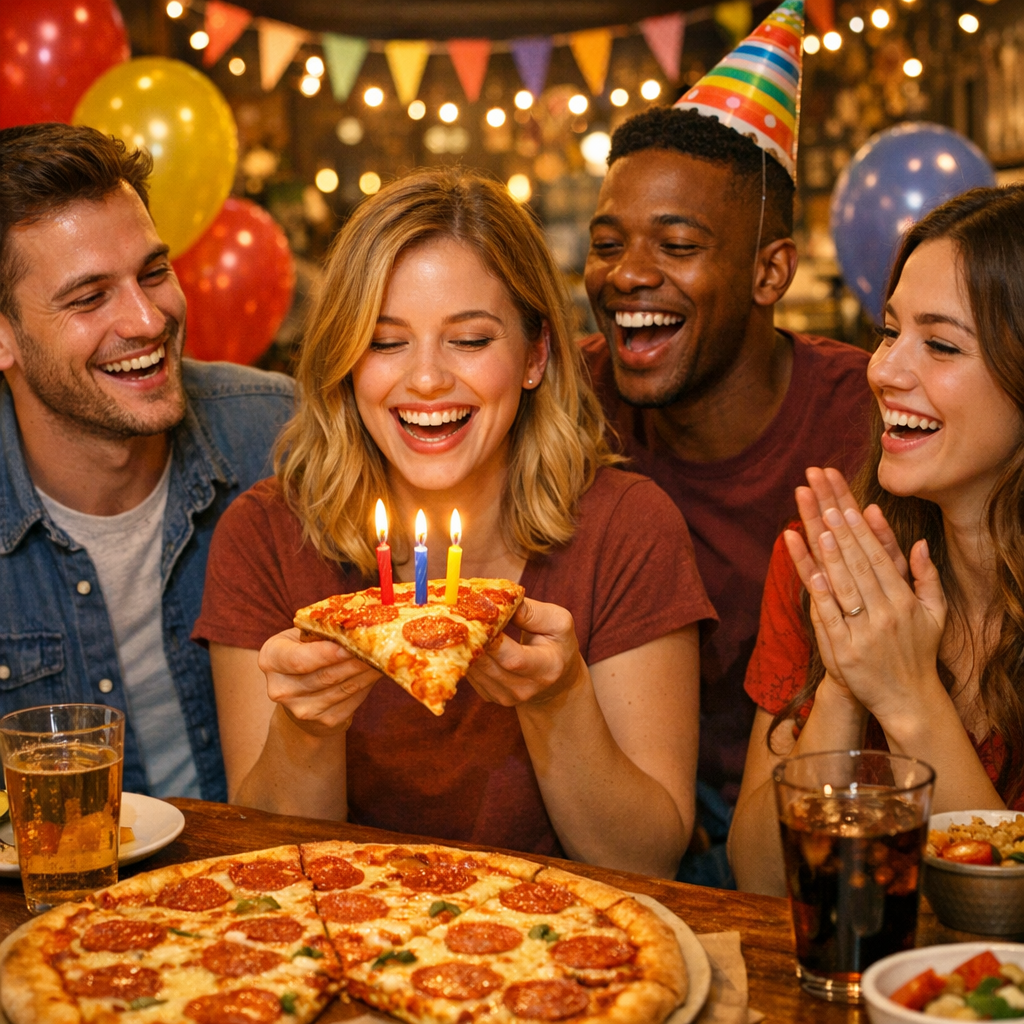
There's something inherently communal about pizza that makes it the perfect centerpiece for group dining. The very nature of sharing a large pie encourages conversation, collaboration, and connection. Unlike individual plates that create boundaries between diners, a shared pizza becomes a focal point that brings people together, both literally and figuratively.
Psychologists and sociologists have long studied the social benefits of shared meals, and pizzerias provide an ideal setting for these interactions. The act of passing slices, discussing toppings, and reaching for the same piece creates natural opportunities for engagement and breaks down social barriers. This is why pizzerias have become the default location for everything from first dates to business meetings, from family reunions to team-building events.
Accessibility and Inclusivity
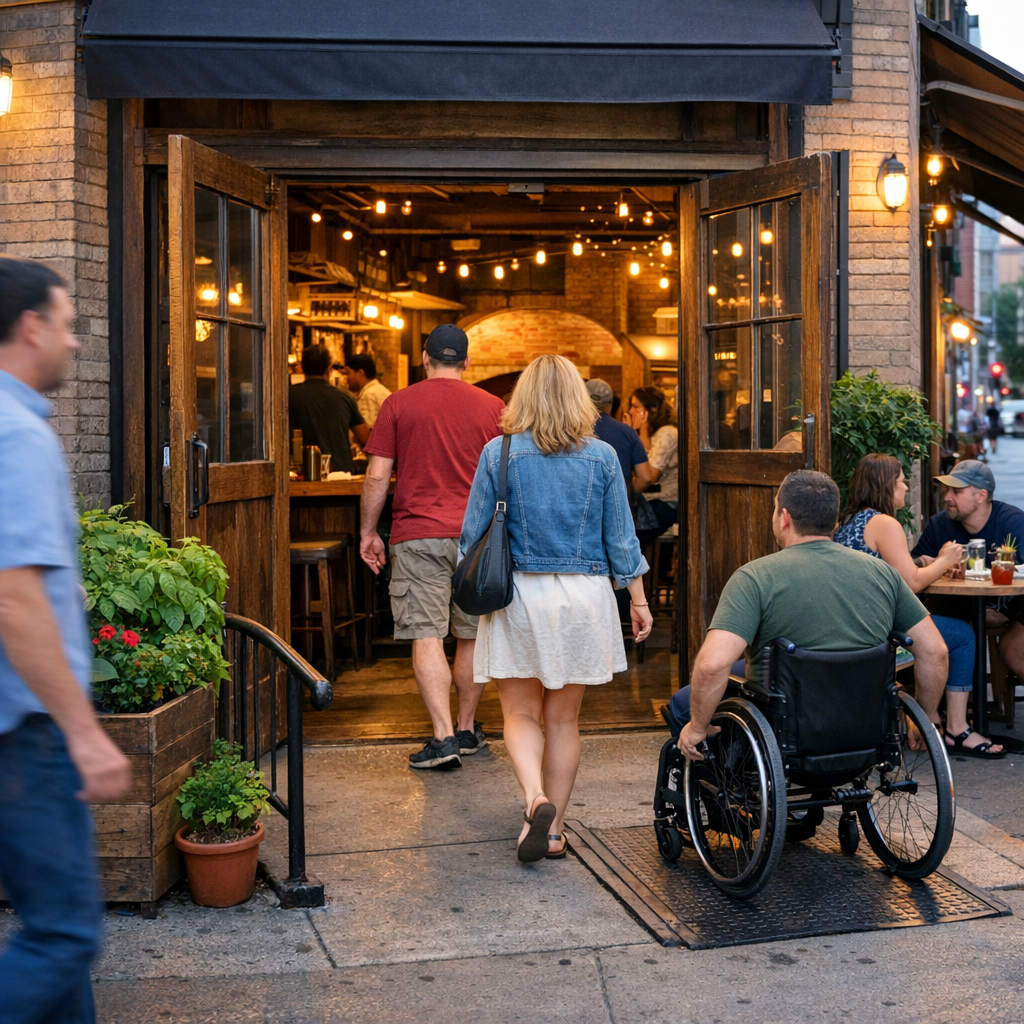
One of the most remarkable aspects of pizzerias as social spaces is their universal accessibility. Unlike fine dining establishments that might intimidate some patrons or specialized restaurants that cater to specific dietary preferences, pizzerias welcome everyone with open arms. This inclusivity extends beyond just the food—it's reflected in the pricing, the atmosphere, and the overall dining experience.
The affordability of pizza makes it possible for people from all walks of life to enjoy dining out without financial stress. Students on tight budgets, young professionals starting their careers, families with children, and retirees on fixed incomes can all find a welcoming table at their local pizzeria. This economic accessibility has helped pizzerias become true community hubs where diverse groups of people can gather and interact.
Creating Third Places
Sociologist Ray Oldenburg coined the term "third places" to describe informal public gathering places that are essential for community life—distinct from home (first place) and work (second place). Pizzerias have emerged as quintessential third places in American cities, providing neutral ground where people can congregate, socialize, and build community bonds.
These third places serve vital social functions that go beyond mere sustenance. They're where neighbors become friends, where local news is shared, where community events are planned, and where the fabric of neighborhood life is woven together. The regular patrons who become familiar faces, the staff who remember your usual order, and the shared experiences of dining in the same space create a sense of belonging that's increasingly rare in our digital age.
The Future of Pizzeria Social Spaces
As American cities continue to evolve and change, the role of pizzerias as social spaces remains more important than ever. In an era where digital communication often replaces face-to-face interaction, these physical gathering places provide essential opportunities for genuine human connection. The next generation of pizzerias is building on this legacy while adapting to contemporary needs—offering more diverse menu options, creating flexible seating arrangements, and embracing technology in ways that enhance rather than replace the social experience.
The enduring appeal of pizzerias as social spaces speaks to a fundamental human need: the desire to gather, share, and connect with others over good food in a welcoming environment. As long as this need exists, neighborhood pizzerias will continue to serve as the heart of community life in American cities, one slice at a time.