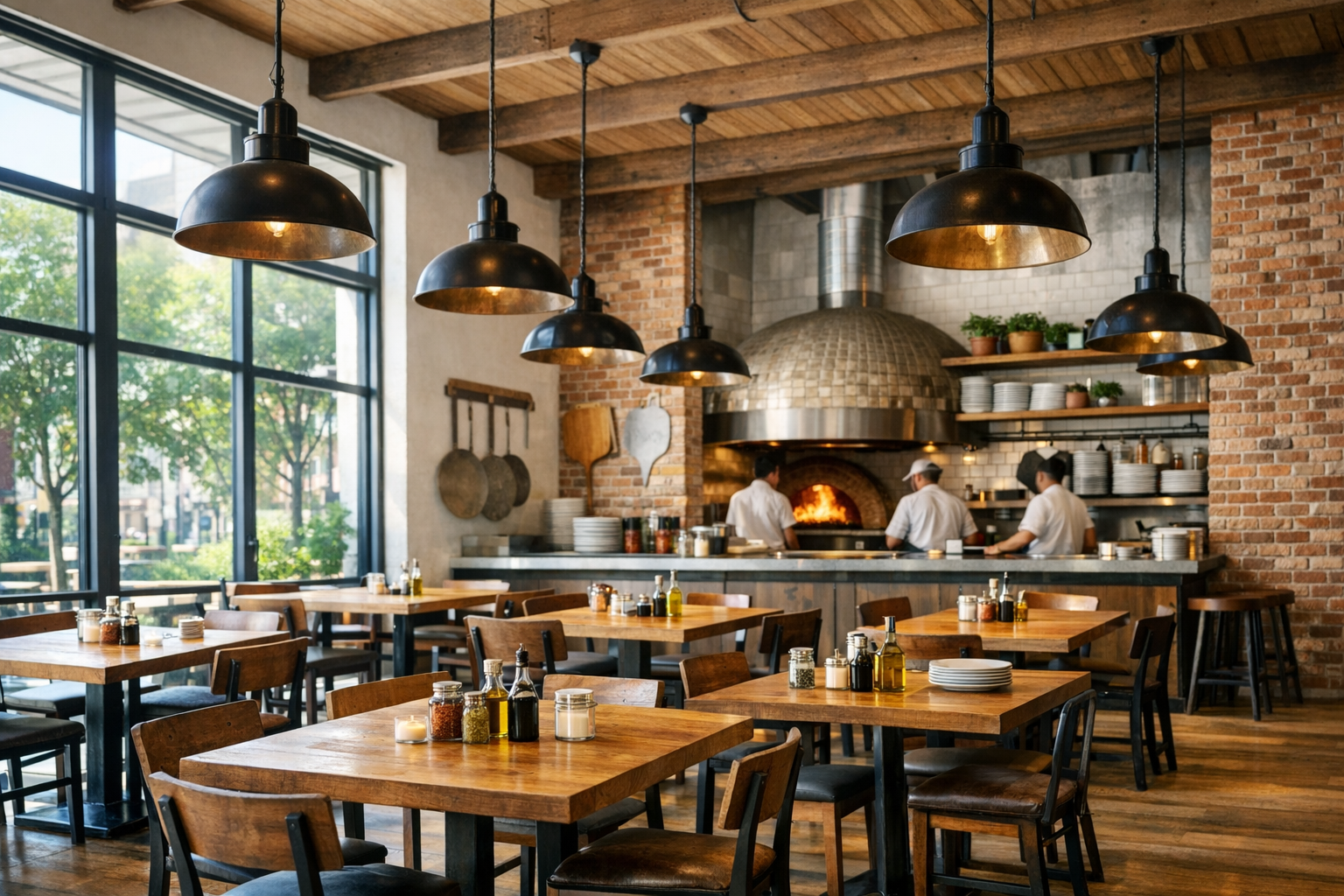
The atmosphere of a pizzeria is more than just decoration—it's a carefully crafted experience that shapes how we connect with food and each other. From rustic brick ovens to modern open kitchens, every design element tells a story about the neighborhood and the people who gather there.
Interior Styles: From Rustic to Modern
Pizzerias across American cities showcase a remarkable diversity of interior design approaches. Some establishments embrace the warmth of rustic aesthetics, featuring reclaimed wood furniture, vintage decor, and the centerpiece brick oven that anchors the space. These interiors evoke a sense of tradition and craftsmanship, creating intimate environments where conversations flow naturally.
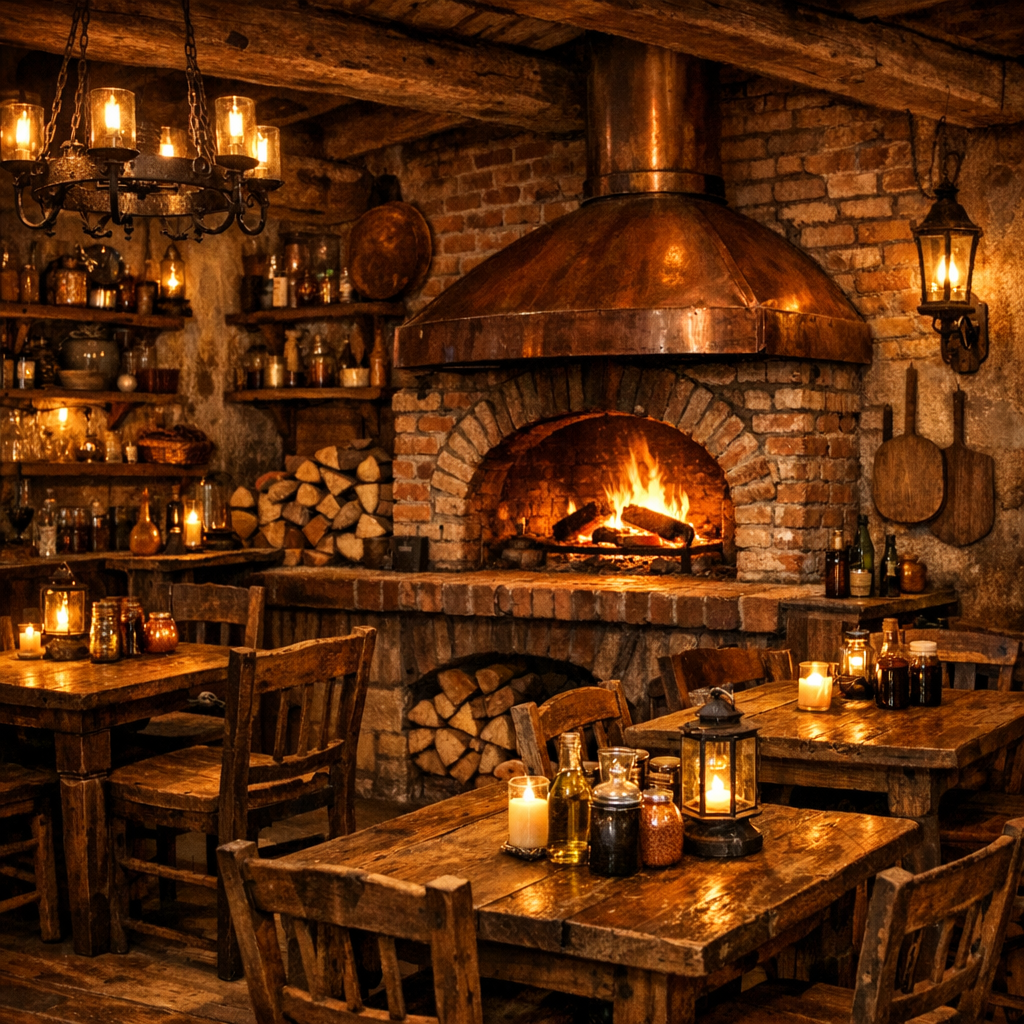
Other pizzerias lean into contemporary design, embracing clean lines, minimalist furniture, and industrial elements. These spaces often feature high ceilings, polished concrete floors, and carefully curated lighting that creates a sophisticated yet approachable atmosphere. The modern aesthetic appeals to urban diners seeking a fresh take on the traditional pizzeria experience.
The Open Kitchen Revolution
One of the most significant trends in pizzeria design is the open kitchen concept. By removing barriers between the dining area and the food preparation space, restaurants create a sense of transparency and connection. Diners can watch as chefs stretch dough, layer toppings, and slide pizzas into wood-fired ovens, transforming the cooking process into a form of entertainment.
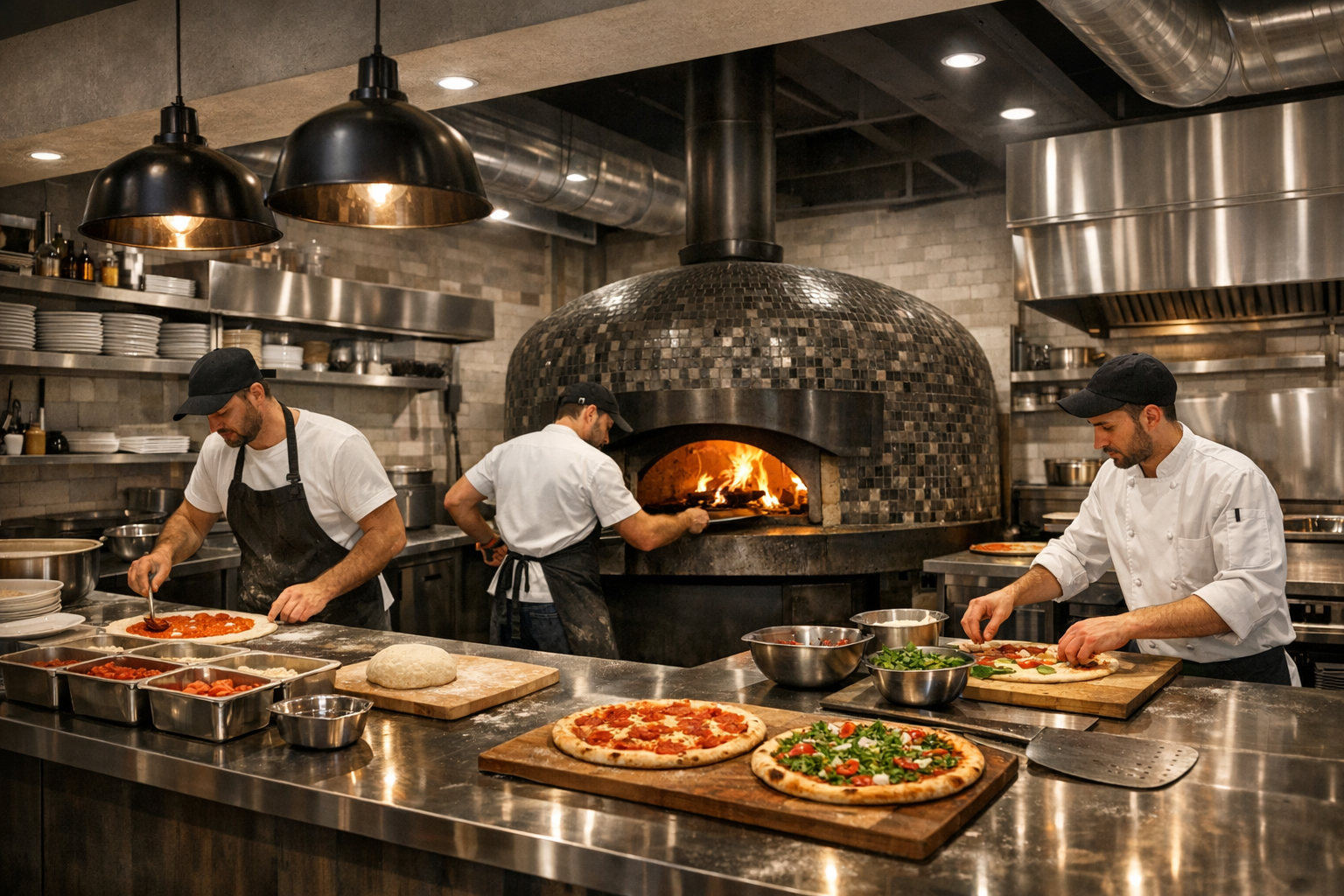
The open kitchen design serves multiple purposes. It builds trust by allowing customers to see the cleanliness and quality of food preparation. It creates energy and movement in the space, making the restaurant feel alive and dynamic. And it educates diners about the craft of pizza-making, fostering appreciation for the skill and artistry involved in every pie.
Capturing the Neighborhood Vibe
Successful pizzerias don't just exist in neighborhoods—they become integral parts of them. The best establishments reflect the character and culture of their surroundings, creating spaces that feel authentic and welcoming to local residents. This might mean displaying local artwork, featuring neighborhood history on the walls, or simply designing spaces that mirror the community's aesthetic preferences.
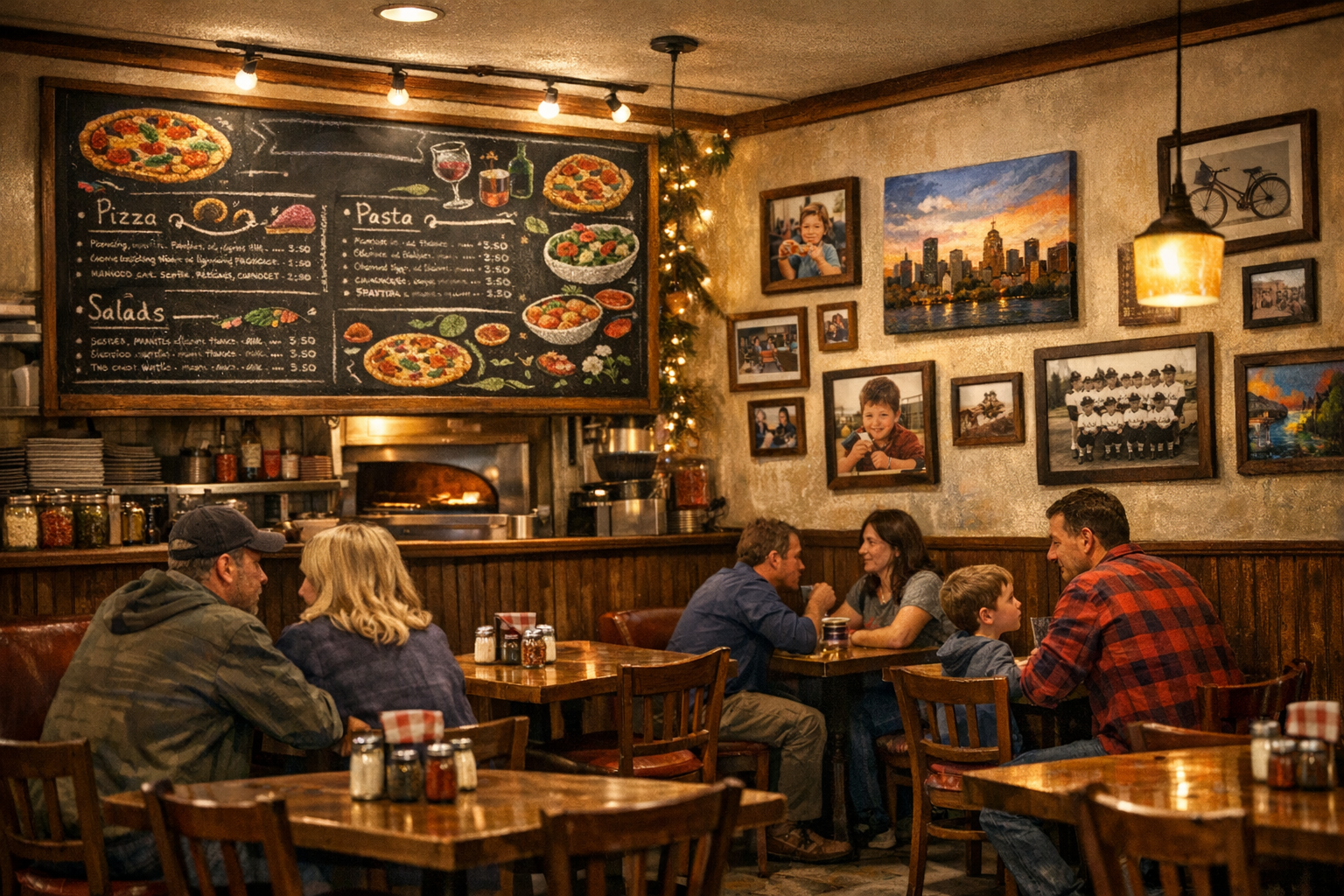
Chalkboard menus, family photos, and community bulletin boards are common elements that reinforce the neighborhood connection. These personal touches transform a restaurant from a business into a gathering place, where regular customers feel recognized and newcomers sense the warmth of established relationships.
Natural Light and Urban Connection
Many modern pizzerias prioritize natural light, using large windows to connect the interior space with the surrounding city streets. This design choice serves multiple purposes: it creates an inviting atmosphere, reduces energy consumption, and allows diners to feel connected to the urban environment outside. The interplay of natural light with interior materials—wood, metal, brick—creates dynamic visual experiences throughout the day.
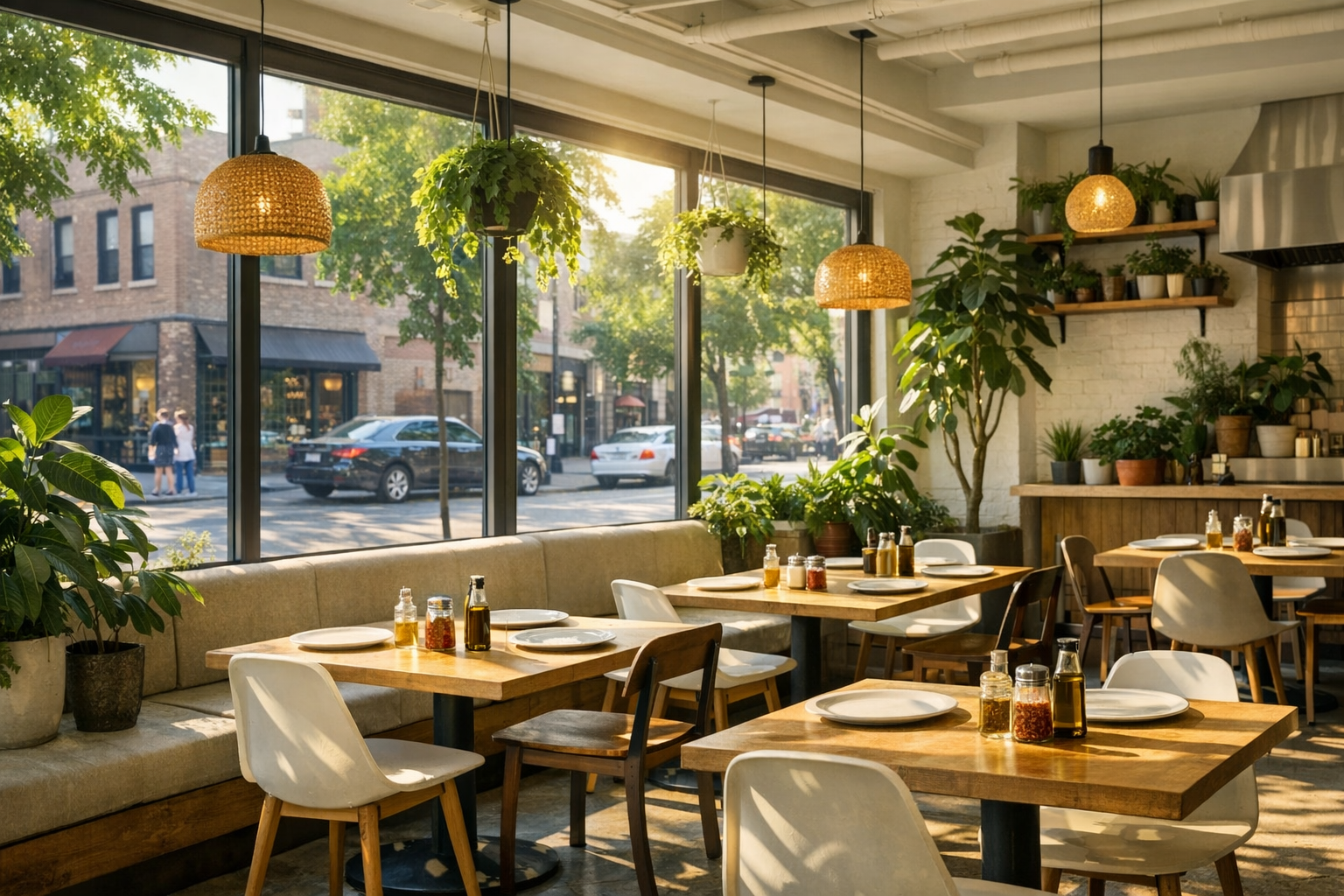
Plants and greenery have also become essential elements in pizzeria design, softening industrial edges and bringing life to interior spaces. Whether through hanging plants, window boxes, or indoor gardens, these natural elements create a more relaxed and inviting atmosphere, particularly in urban environments where green space may be limited.
Evening Ambiance and Lighting Design
As day turns to evening, pizzerias transform through thoughtful lighting design. The transition from natural light to carefully curated artificial illumination creates a completely different mood, shifting the space from casual daytime dining to intimate evening gatherings. String lights, warm-toned bulbs, and strategically placed fixtures create pools of light that define different zones within the restaurant.
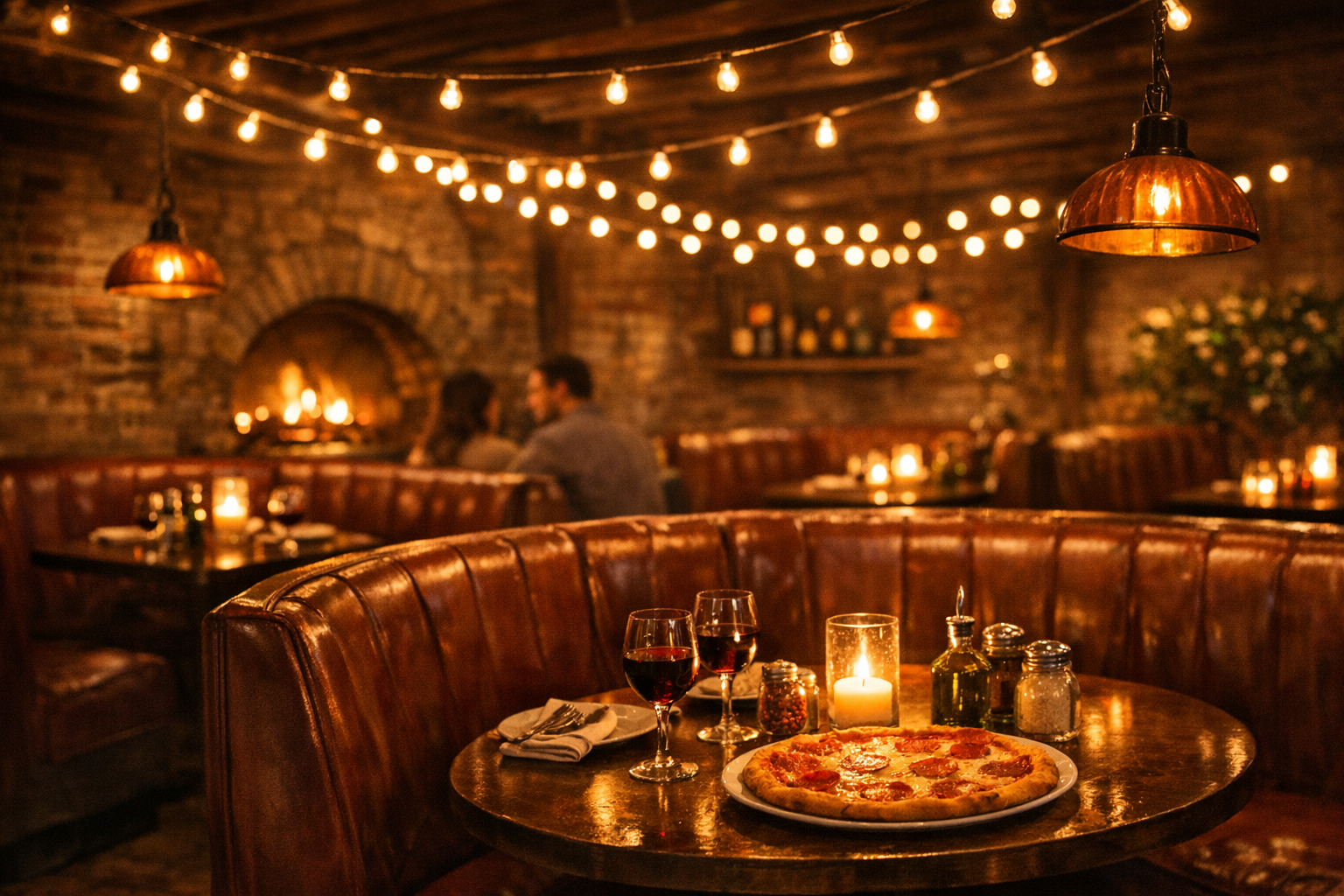
Booth seating, corner tables, and intimate nooks provide options for diners seeking privacy, while larger communal tables encourage social interaction. The flexibility of seating arrangements allows pizzerias to accommodate different group sizes and dining occasions, from romantic dinners to family celebrations.
Outdoor Dining and Urban Patios
Weather permitting, outdoor seating has become an essential feature of many pizzerias, particularly in cities with mild climates. Patios and sidewalk seating extend the restaurant's footprint and create additional dining options that connect customers with the urban environment. String lights, heaters, and thoughtful landscaping transform outdoor spaces into comfortable extensions of the interior.
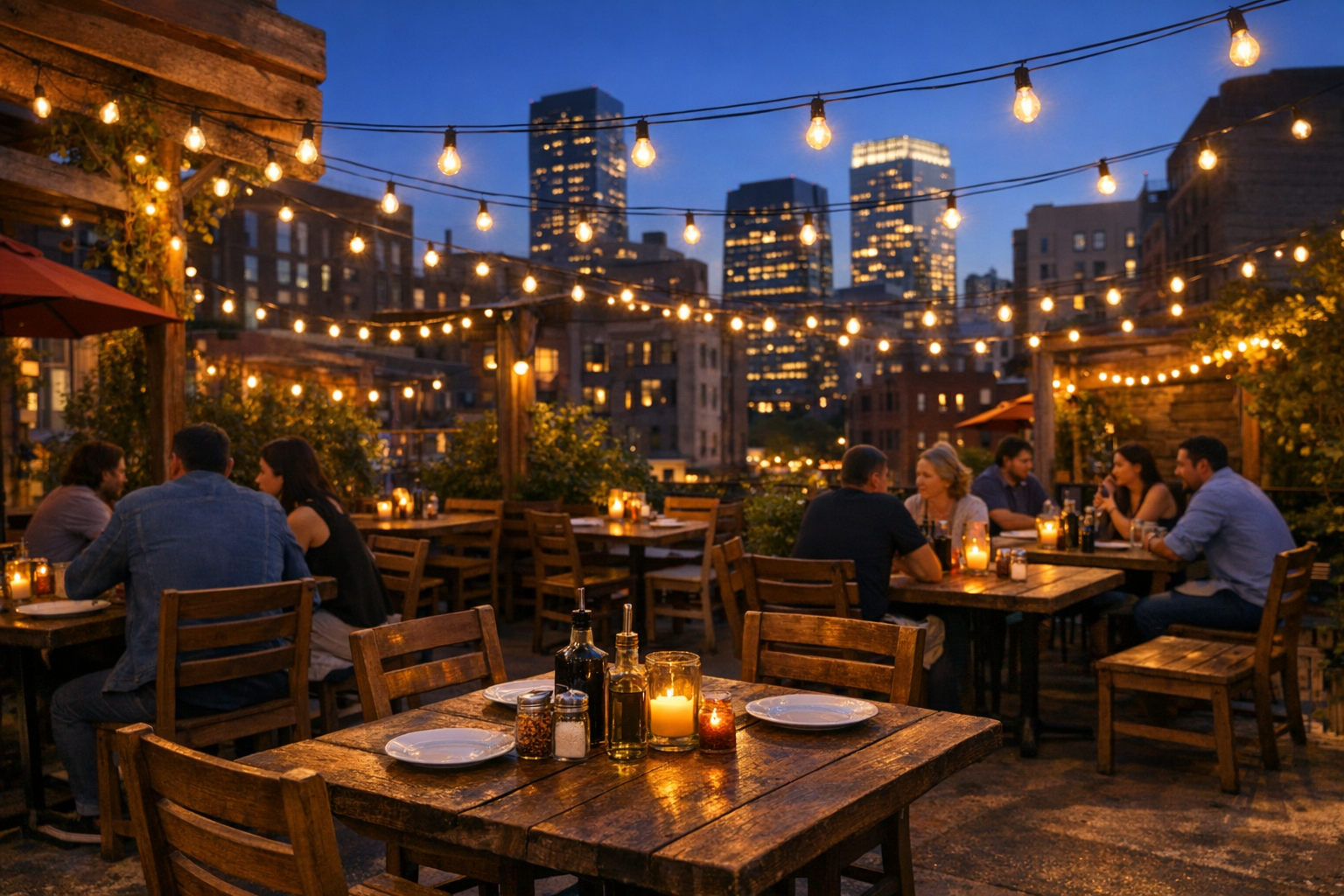
Outdoor dining creates a unique energy, allowing customers to people-watch while enjoying their meals and contributing to the vibrancy of city streets. It also provides additional seating capacity during peak hours and creates a more casual, relaxed atmosphere that appeals to many diners.
The Future of Pizzeria Design
As dining habits continue to evolve, pizzeria design will likely adapt to meet changing needs and preferences. We may see more emphasis on sustainability, with eco-friendly materials and energy-efficient design becoming standard. Technology integration might increase, though always balanced with the human connection that makes pizzerias special. And the focus on creating authentic, neighborhood-specific spaces will likely intensify as diners seek experiences that feel genuine and rooted in place.
What remains constant is the fundamental purpose of pizzeria design: to create spaces where people can gather, share food, and build connections. Whether rustic or modern, intimate or expansive, the best pizzeria interiors are those that make customers feel welcome, comfortable, and part of something larger than themselves—a community gathered around the universal love of pizza.