Whether you're a first-time visitor or a regular patron, understanding the typical flow of a pizzeria visit can enhance your dining experience. From arrival to departure, each step offers opportunities to engage with the atmosphere, the food, and the community that makes pizzerias such beloved neighborhood institutions.
Arrival and Greeting
Your pizzeria experience begins the moment you step through the door. Most establishments feature a host stand near the entrance, where a friendly staff member will welcome you and guide you through the seating process. During busy hours, you might need to wait briefly for a table, but this downtime offers a chance to observe the restaurant's atmosphere and perhaps chat with fellow diners.
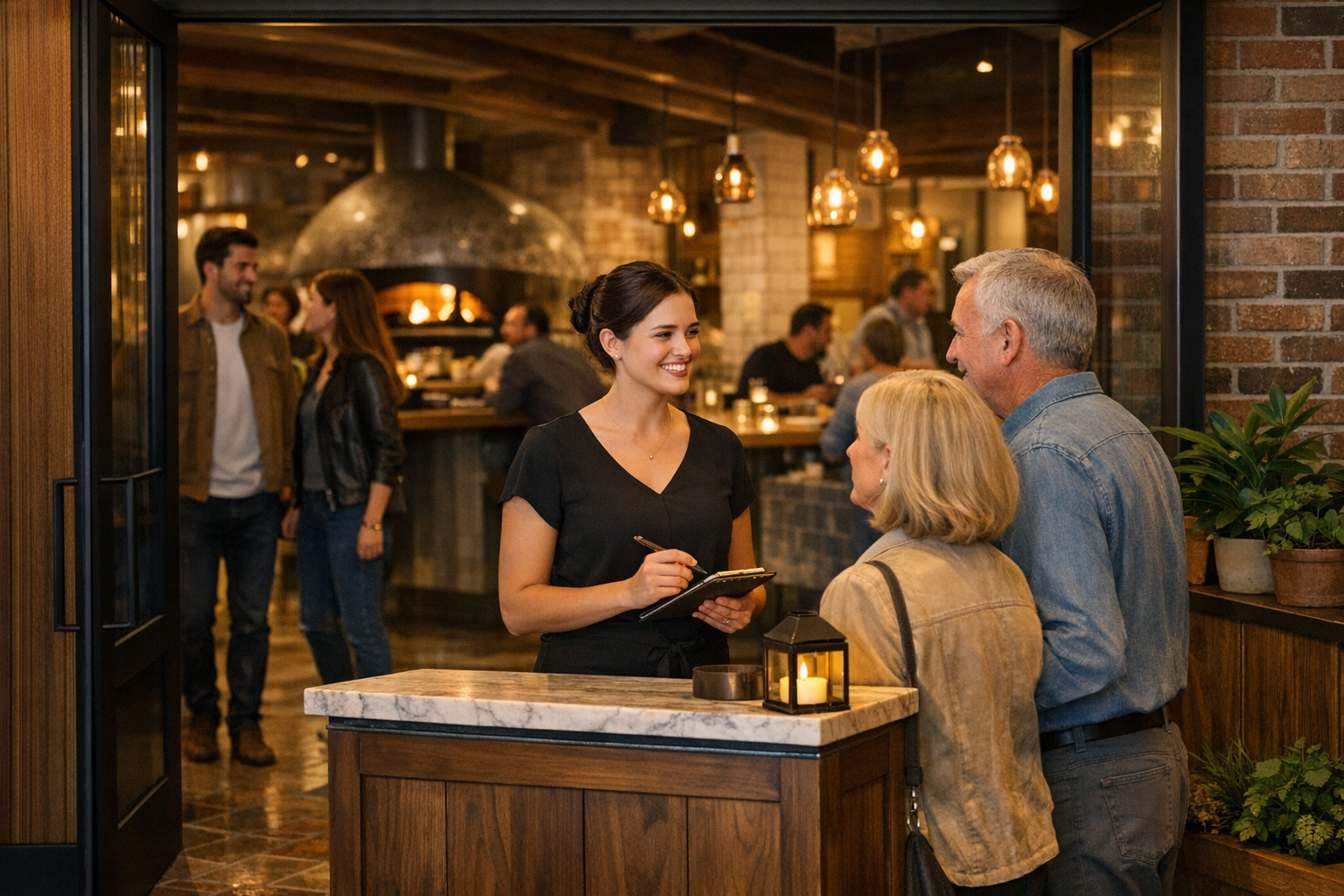
The greeting process varies by establishment style. Some pizzerias operate on a first-come, first-served basis, while others accept reservations. Either way, the staff will typically ask about your party size and any seating preferences—booth, table, or perhaps outdoor seating if available. Don't hesitate to mention special occasions or accessibility needs; pizzerias pride themselves on accommodating diverse diners.
Getting Settled and Ordering
Once seated, you'll receive menus and perhaps water or bread while you peruse the offerings. Take a moment to absorb your surroundings—the decor, the sounds of the kitchen, the conversations around you. This is part of the pizzeria experience, the sensory richness that makes dining out special.
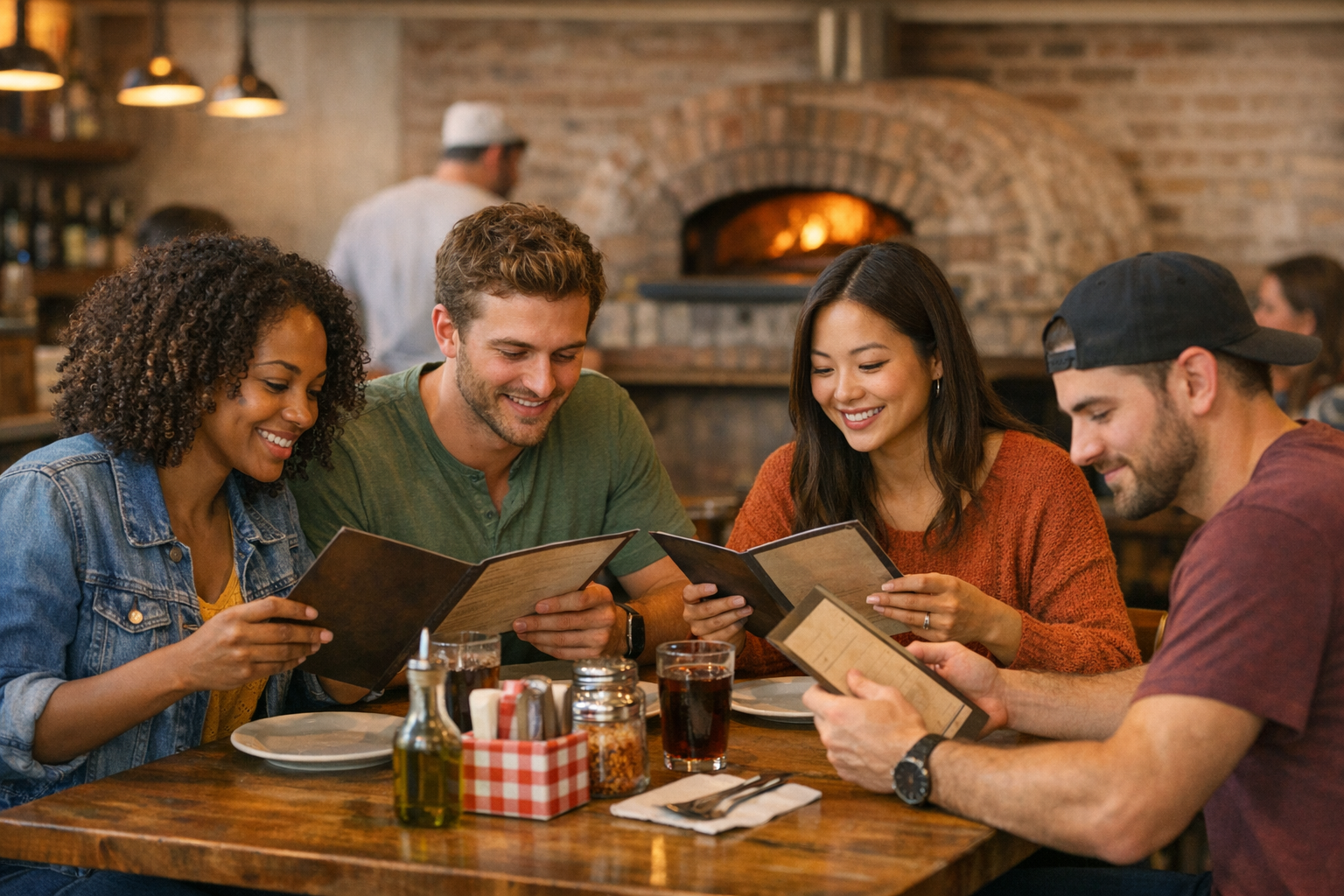
When you're ready to order, your server will return to take your request. Pizzeria menus typically feature a variety of pizza options, from classic margherita to creative specialty pies, along with appetizers, salads, and sometimes pasta or sandwiches. Many establishments offer the option to customize your pizza with different toppings, allowing you to create exactly what you're craving.
Don't hesitate to ask questions about the menu—servers are knowledgeable about ingredients, preparation methods, and can offer recommendations based on your preferences. If you're dining with others, consider sharing multiple pizzas to sample different flavors. This communal approach to dining is part of what makes pizzerias such social spaces.
The Waiting Experience
After ordering, there's typically a wait while your food is prepared. This is an excellent time to engage with your dining companions, people-watch, or simply relax and enjoy the ambiance. Many pizzerias feature open kitchens, allowing you to watch the chefs at work, stretching dough and assembling pizzas with practiced efficiency.
The wait time varies depending on the restaurant's style and how busy they are. Traditional wood-fired pizzerias might take 15-20 minutes to bake a pizza to perfection, while faster-casual establishments may serve food more quickly. Use this time to appreciate the restaurant's design elements—the lighting, the artwork, the way the space is arranged to facilitate conversation and community.
The Arrival of Your Food
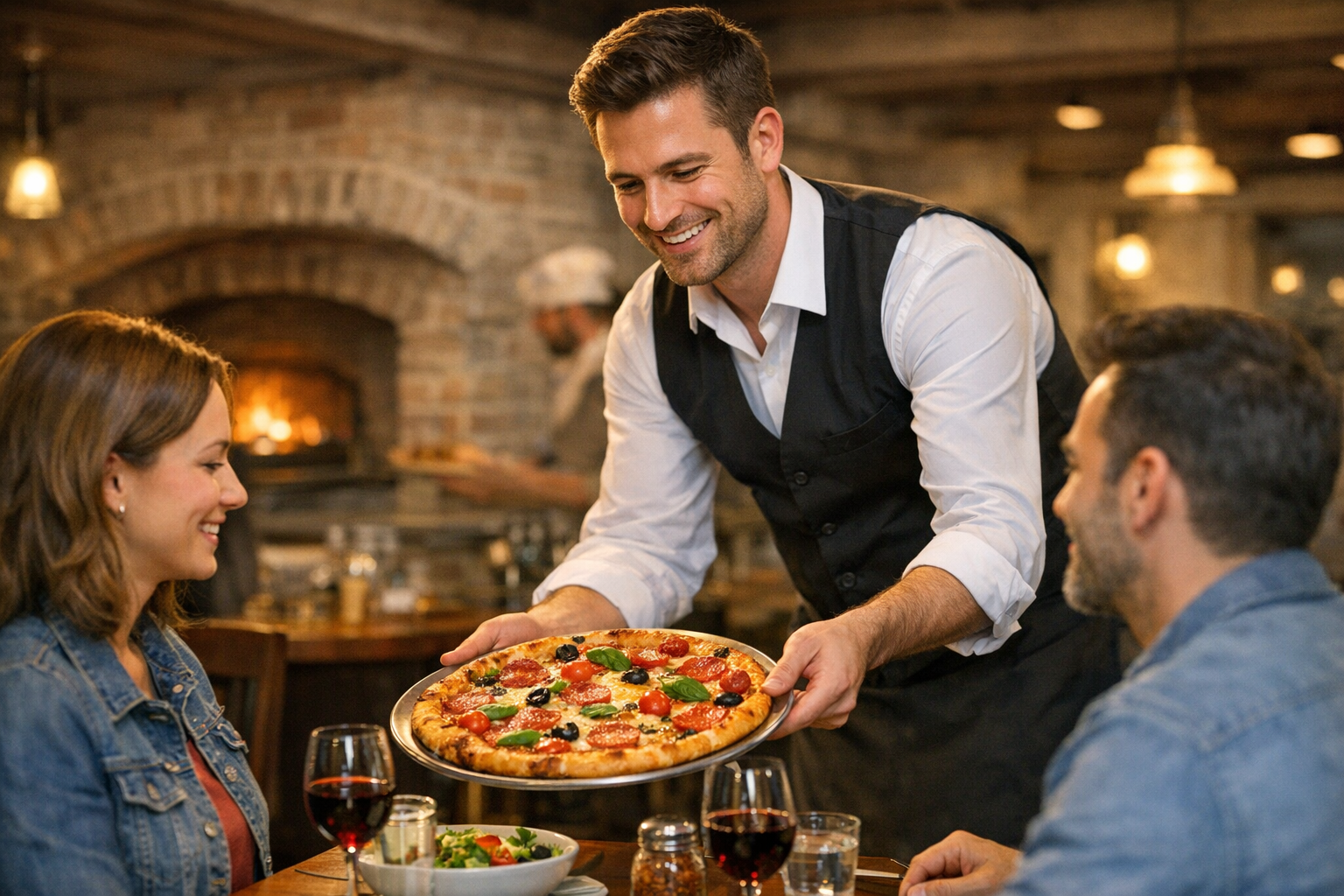
When your pizza arrives, it's often a moment of anticipation and delight. The aroma of fresh-baked dough, melted cheese, and savory toppings fills the air. Your server will typically place the pizza in the center of the table, allowing everyone to serve themselves. This sharing style reinforces the communal nature of pizzeria dining.

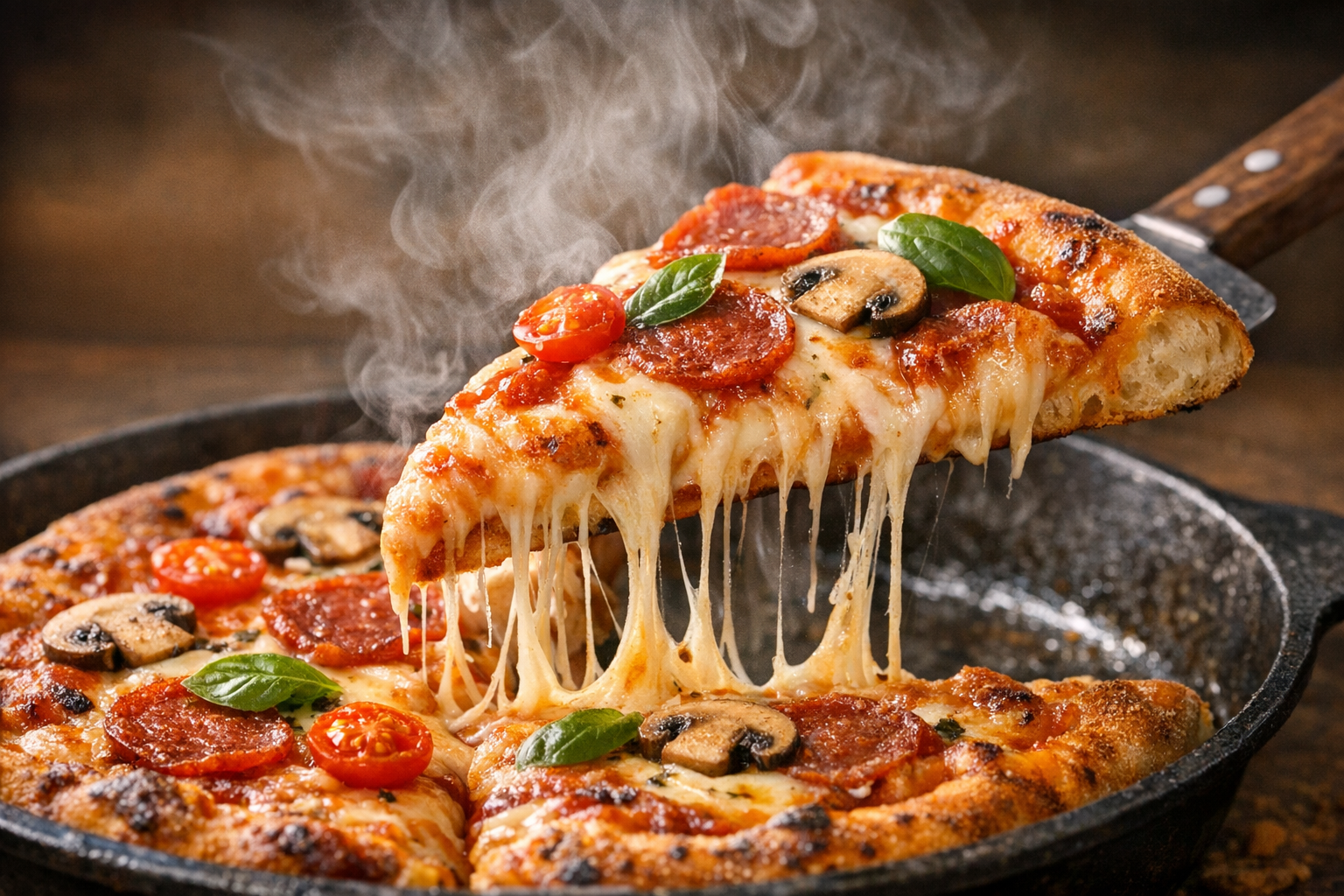
Take a moment to appreciate the presentation before diving in. The colors, the steam rising from the hot cheese, the way the toppings are arranged—these details reflect the care and craftsmanship that went into creating your meal. When you do take that first bite, savor the combination of flavors and textures that make pizza such a universally loved food.
Dining and Conversation
The main event of your pizzeria visit is, of course, the meal itself. This is when the atmosphere truly comes alive—the clatter of plates, the hum of conversation, the occasional burst of laughter from a nearby table. Pizzerias are designed to facilitate social interaction, with seating arrangements and acoustics that encourage conversation while maintaining a comfortable energy level.
Take your time and enjoy the meal. There's no rush at most pizzerias—they're places where lingering is encouraged, where conversations can unfold naturally. If you need anything during your meal—more drinks, extra napkins, a recommendation for dessert—your server is typically attentive but not intrusive, striking that perfect balance between professional service and relaxed hospitality.
Wrapping Up Your Visit
As your meal winds down, your server will likely check if you'd like anything else—dessert, coffee, or perhaps a box to take home any leftovers. Many pizzerias offer classic desserts like tiramisu or cannoli, providing a sweet finish to your meal. When you're ready to leave, simply signal your server, and they'll bring your bill.
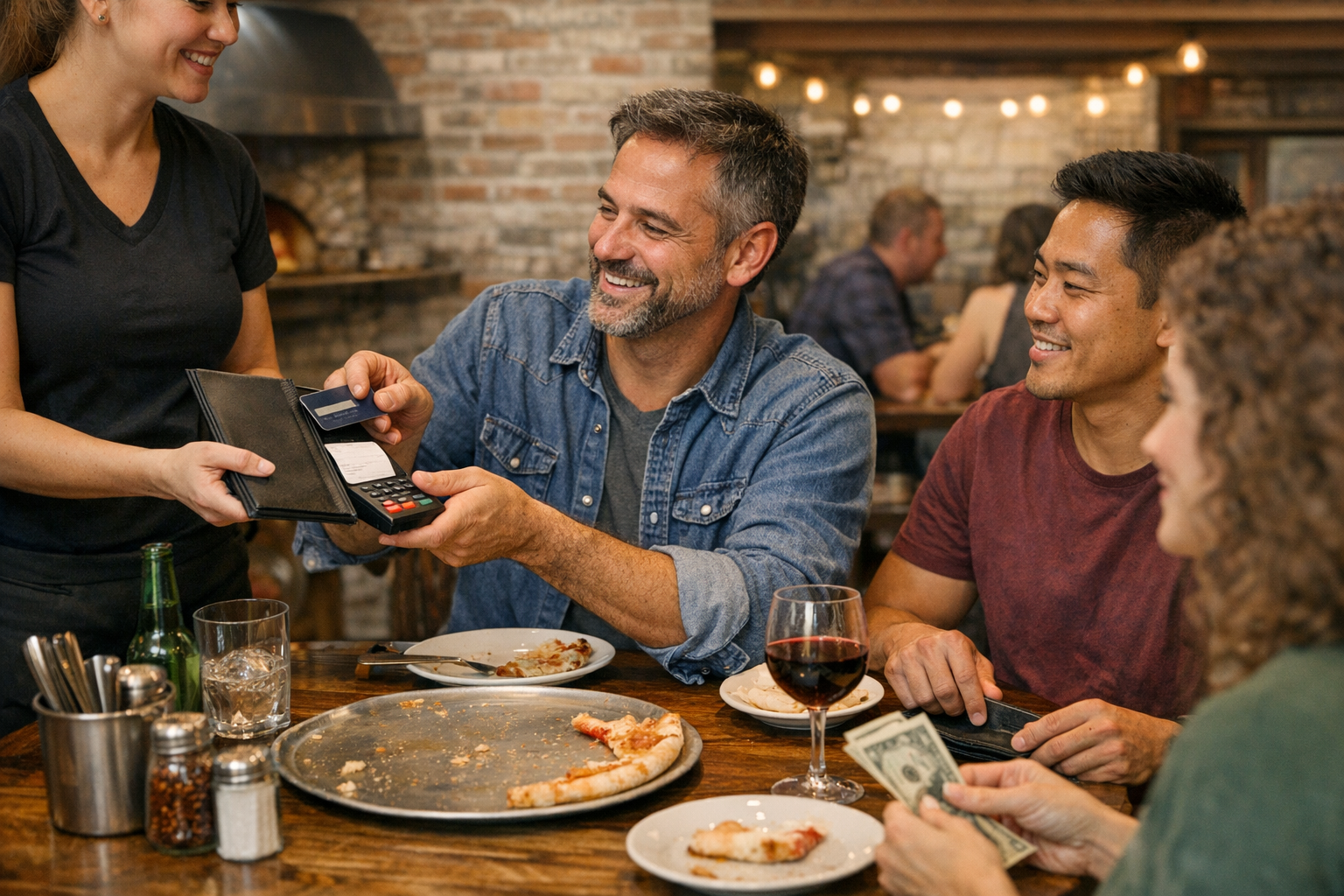
Payment processes vary by establishment—some bring the check to your table, others may require payment at a counter near the entrance. Tipping customs also vary, but in most American pizzerias, 15-20% is standard for good service. As you leave, take a moment to thank your server and perhaps say goodbye to the host who welcomed you. These small gestures of appreciation are part of the human connection that makes pizzerias special.
Tips for a Great Experience
To make the most of your pizzeria visit, consider a few practical tips. Arrive during off-peak hours if you prefer a quieter atmosphere—typically early evening or late afternoon on weekdays. If you're dining with a large group, calling ahead can help ensure adequate seating. And don't be afraid to try new things—pizzerias often feature specialty pizzas or seasonal offerings that might become new favorites.
Remember that every pizzeria has its own personality and rhythm. Some are bustling and energetic, others more intimate and relaxed. Part of the joy of exploring pizzerias is discovering these unique characteristics and finding the places that resonate with your personal preferences and dining style.
The Pizzeria as Community Space
Ultimately, visiting a pizzeria is about more than just eating pizza—it's about participating in a communal experience that has been part of American urban culture for generations. Whether you're a regular or a first-time visitor, you're part of something larger: a tradition of gathering, sharing, and connecting over good food in welcoming spaces.
As you leave, full and satisfied, you carry with you not just the memory of a good meal, but the sense of having been part of a community, however briefly. That's the magic of pizzerias—they transform the simple act of eating into something meaningful, something that nourishes not just the body but the spirit of connection that makes cities vibrant and alive.